
 Product News
Vacuum Brazing Stainless Steel Plates with Stainless Steel Honeycomb for Heat Dissipation
Normantherm•8/14/2026
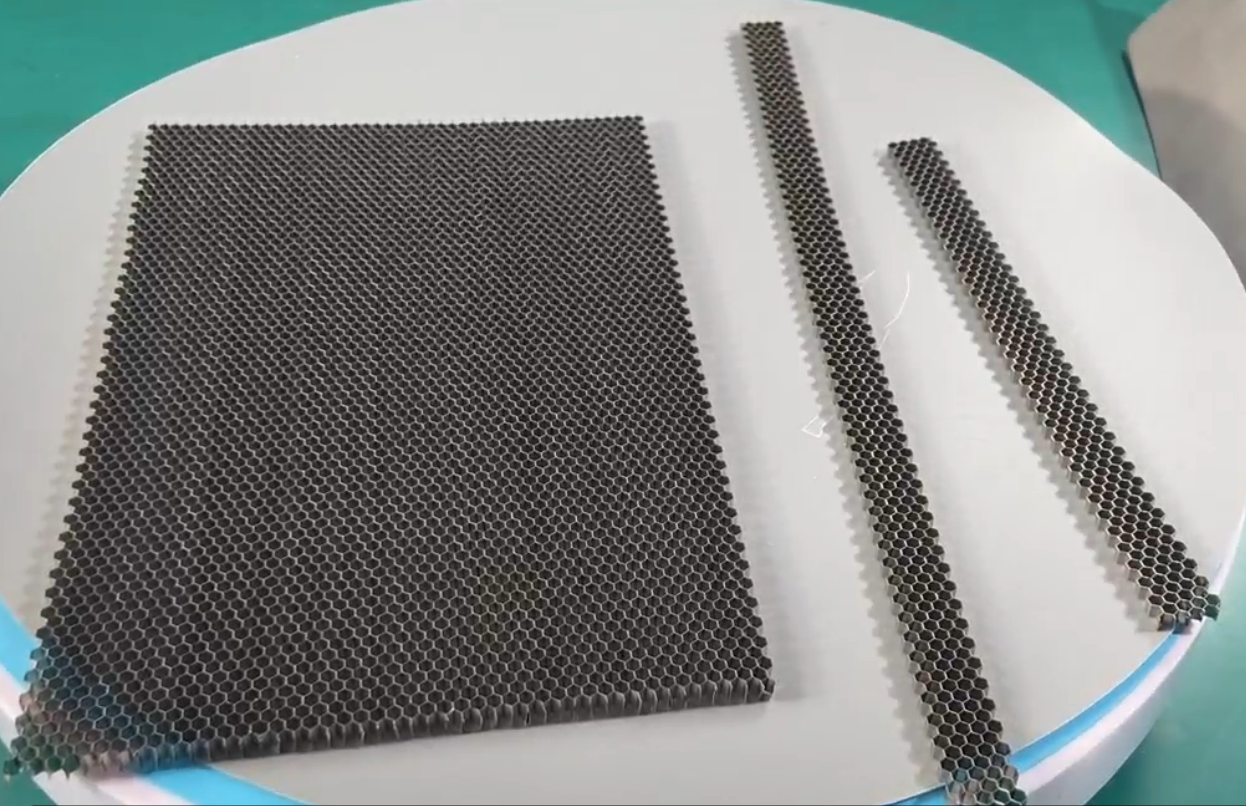
Efficient thermal management is increasingly important in modern industrial equipment. As systems become more compact and operating temperatures increase, manufacturers need heat dissipation components that provide efficient thermal transfer without sacrificing mechanical strength or structural reliability.
A stainless steel plate brazed with a stainless steel honeycomb structure is an advanced solution for applications requiring efficient heat transfer, lightweight construction, and excellent resistance to demanding operating environments. Using vacuum brazing technology, manufacturers can create clean and reliable bonds between the stainless steel plates and honeycomb structure while maintaining dimensional accuracy.
Why Use Stainless Steel Honeycomb for Heat Dissipation?
Honeycomb structures are widely used in advanced engineering because their cellular geometry provides a large effective surface area while maintaining a high strength-to-weight ratio.
When used in thermal management components, the honeycomb structure can facilitate heat transfer through increased surface area and controlled airflow or fluid movement, depending on the component design.
Stainless steel further enhances the assembly's performance by providing excellent corrosion resistance, mechanical strength, and thermal stability. This makes stainless steel honeycomb structures suitable for demanding industrial and high-temperature environments.
Vacuum Brazing of Stainless Steel Honeycomb Structures
Joining stainless steel plates to a honeycomb structure requires a process capable of producing numerous reliable joints across the assembly. Conventional welding can be difficult because accessing every connection point is challenging, and excessive localized heat may cause distortion.
Vacuum brazing provides an effective solution by heating the complete assembly uniformly inside a controlled vacuum environment. The brazing filler metal melts and flows into the designed joint areas, creating multiple strong connections simultaneously.
Because the process occurs in a low-oxygen environment, oxidation and surface contamination are minimized. This is particularly important for stainless steel components where maintaining clean internal and external surfaces is essential.
Advantages of Vacuum-Brazed Stainless Steel Honeycomb Assemblies
Vacuum brazing provides several important benefits for stainless steel thermal management structures.
Key advantages include:
- Uniform bonding across multiple honeycomb contact points
- Excellent structural integrity and dimensional stability
- Reduced oxidation and surface contamination
- Increased effective surface area for heat transfer
- High repeatability for batch production
The combination of stainless steel plates and honeycomb architecture provides a balance between thermal performance, mechanical strength, and long-term durability.
Applications in Thermal Management and Heat Exchangers
Vacuum-brazed stainless steel honeycomb structures can be used in applications where heat transfer and structural stability are both important.
Potential applications include industrial heat exchangers, cooling systems, aerospace thermal management components, energy equipment, industrial furnaces, exhaust and heat recovery systems, and specialized high-temperature equipment.
The final design can be optimized according to the required thermal performance, pressure conditions, component dimensions, and operating temperature.
Why Furnace Control Matters
The quality of a stainless steel honeycomb brazed assembly depends heavily on temperature uniformity and process control. Because the structure contains numerous closely spaced joints, uneven heating can result in incomplete filler-metal flow or inconsistent bonding.
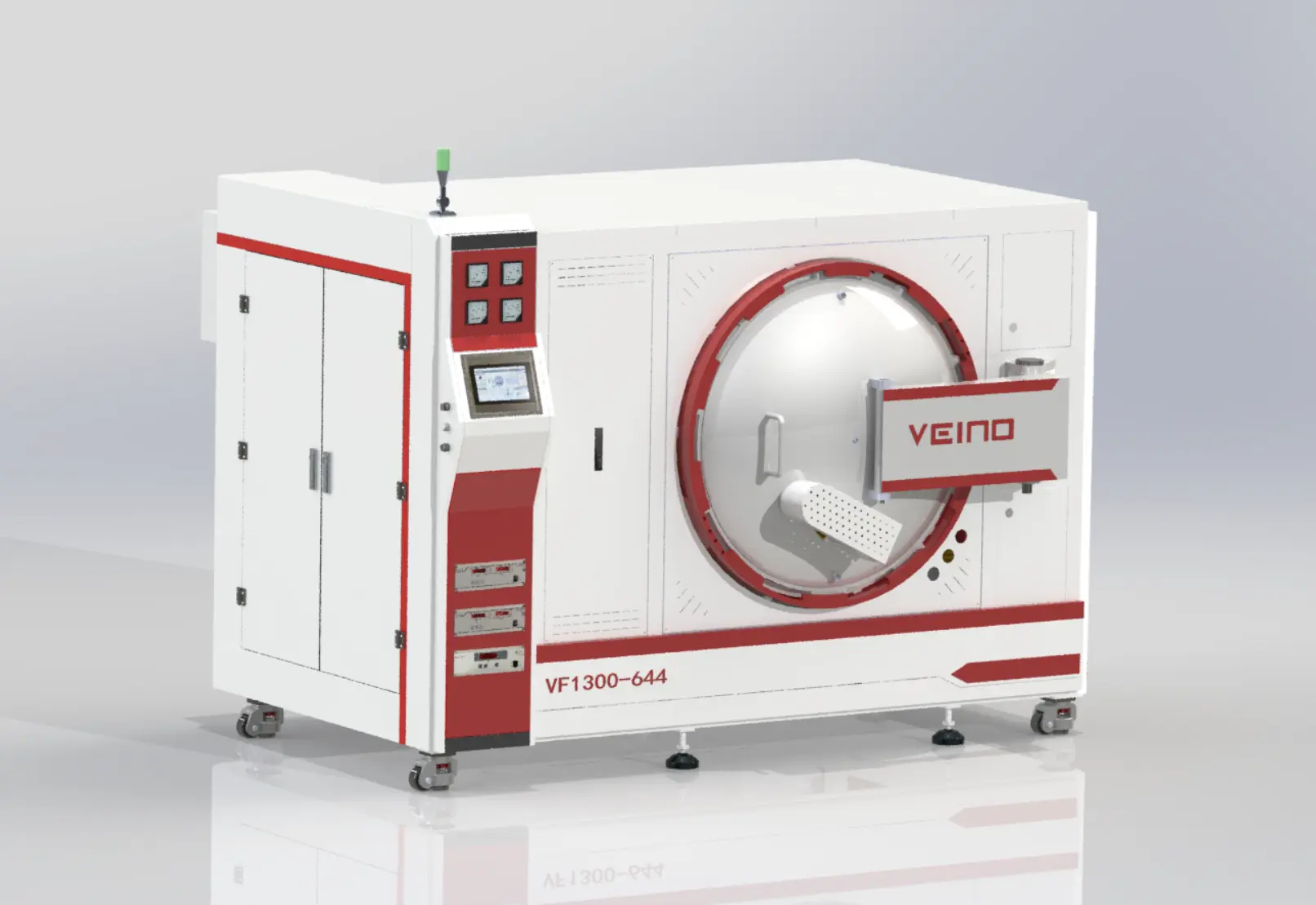
A high-performance vacuum brazing furnace provides accurate temperature control and uniform heating throughout the working chamber. Controlled heating and cooling also help minimize thermal distortion and residual stress in the stainless steel plates and honeycomb structure.
This process stability is especially important for large assemblies and high-volume production, where consistency from one batch to another is essential.
Normantherm Vacuum Brazing Furnace Solutions
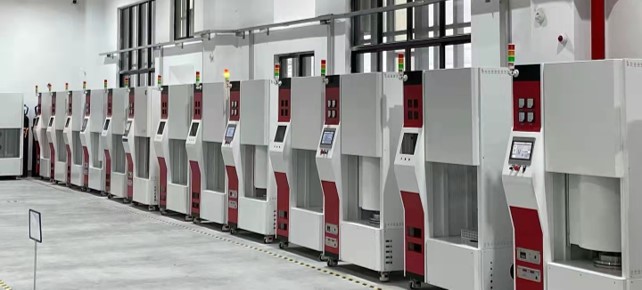
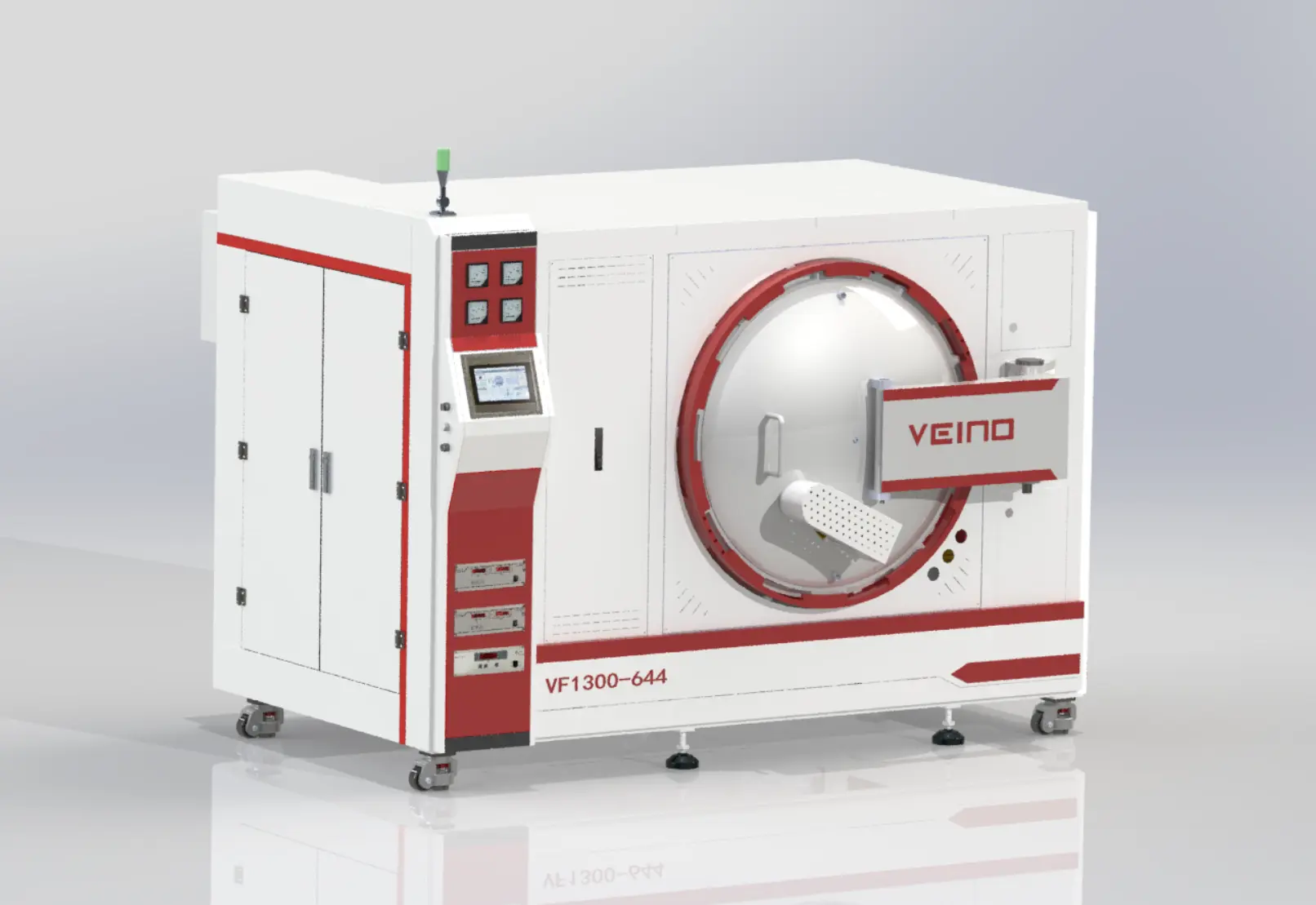
At Normantherm, we design and manufacture advanced vacuum brazing furnaces for complex stainless steel assemblies, heat exchangers, cooling plates, honeycomb structures, and other precision thermal management components.
Our vacuum furnace technology provides high-vacuum processing, precise temperature control, and uniform heating to support reliable brazing of complex geometries. These capabilities help manufacturers achieve consistent joint quality while reducing oxidation, distortion, and production variability.
Normantherm furnaces can also be configured for applications involving copper, aluminum alloys, titanium alloys, tungsten carbide, ceramics, and other engineering materials.
Conclusion
Stainless steel plates brazed with stainless steel honeycomb structures provide an effective solution for advanced heat dissipation and structural applications. The honeycomb geometry increases the available surface area while maintaining a strong and lightweight structure, while vacuum brazing creates reliable joints throughout the assembly.
With precise temperature control, uniform heating, and a clean vacuum environment, Normantherm vacuum brazing technology enables manufacturers to produce high-quality stainless steel thermal management components for demanding industrial applications.
You may also like
Product News Product News
 Product News