
 Product News
Vacuum Brazing of Tungsten Carbide and Stainless Steel for High-Performance Components
Normantherm•8/23/2026
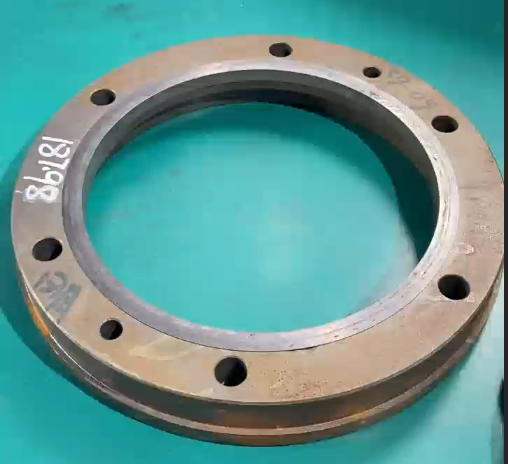
Joining tungsten carbide and stainless steel is an important manufacturing process for producing components that require both exceptional wear resistance and reliable structural performance. Tungsten carbide provides extreme hardness and resistance to abrasion, while stainless steel offers strength, toughness, corrosion resistance, and excellent machinability.
Because these materials have different thermal and mechanical properties, joining them requires careful process control. Vacuum brazing provides a highly controlled method for producing strong and clean tungsten carbide-to-stainless-steel joints without exposing the components to an oxidizing atmosphere.
Why Join Tungsten Carbide with Stainless Steel?
Tungsten carbide is widely used in applications where surfaces are exposed to severe abrasion, cutting forces, and mechanical wear. Its exceptional hardness allows components to maintain their working geometry and performance for extended periods.
Stainless steel provides the structural support required to hold the carbide component in position. Depending on the stainless steel grade, it can also provide excellent corrosion resistance and toughness in demanding environments.
This combination is particularly useful when only a specific area of a component requires extreme wear resistance. Instead of manufacturing the entire component from tungsten carbide, manufacturers can use carbide at the functional surface and stainless steel as the supporting body.
Challenges in Brazing Tungsten Carbide to Stainless Steel
Tungsten carbide and stainless steel have different coefficients of thermal expansion. During the heating and cooling stages of brazing, this difference can generate stress around the joint.
Improper process parameters can result in joint cracking, carbide damage, distortion, or incomplete filler-metal flow. Surface preparation is also important because contaminants and oxides can negatively affect brazing quality.
For these reasons, vacuum brazing tungsten carbide to stainless steel requires accurate temperature control, suitable filler-metal selection, proper joint clearance, and a controlled heating and cooling cycle.
How Vacuum Brazing Works
In a vacuum brazing furnace, the tungsten carbide and stainless steel components are accurately positioned with the appropriate brazing filler material at the joint interface.
The furnace is evacuated before heating, creating a clean environment with minimal oxygen. The assembly is then heated according to a controlled thermal cycle.
When the required brazing temperature is reached, the filler metal melts and flows between the prepared surfaces through capillary action. After sufficient filler-metal flow and joint formation, the assembly is cooled under controlled conditions.
This process helps produce a uniform bond while minimizing oxidation, contamination, and thermal distortion.
Benefits of Vacuum-Brazed Tungsten Carbide and Stainless Steel
Vacuum brazing provides several advantages for carbide-to-stainless-steel assemblies:
- Strong and reliable joints between dissimilar materials
- Excellent wear resistance at the tungsten carbide surface
- Corrosion resistance and structural strength from stainless steel
- Clean, oxidation-free brazed surfaces
- Reduced thermal distortion and residual stress
- Consistent results for repeat production
These characteristics make the process suitable for precision components where joint reliability and dimensional accuracy are critical.
Applications of Tungsten Carbide and Stainless Steel Brazing
Vacuum-brazed tungsten carbide and stainless steel components are used across numerous industrial sectors.
Typical applications include cutting tools, wear-resistant tooling, mold and die components, industrial blades, precision machining tools, medical instruments, mining equipment, food-processing machinery, and specialized mechanical components.
The specific material combination and brazing process can be optimized according to the component geometry, operating temperature, mechanical loading, wear conditions, and production requirements.
Importance of Vacuum Furnace Temperature Control
The quality of a carbide-to-stainless-steel joint depends heavily on the accuracy and uniformity of the brazing cycle. Excessive temperature can negatively affect the materials, while insufficient temperature may prevent proper filler-metal flow.
A high-quality vacuum brazing furnace provides precise temperature control and uniform heating throughout the working chamber. Controlled cooling is also important for reducing residual stress caused by differences in thermal expansion between tungsten carbide and stainless steel.
For high-volume production, stable furnace performance is particularly important because it helps maintain consistent joint quality from batch to batch.
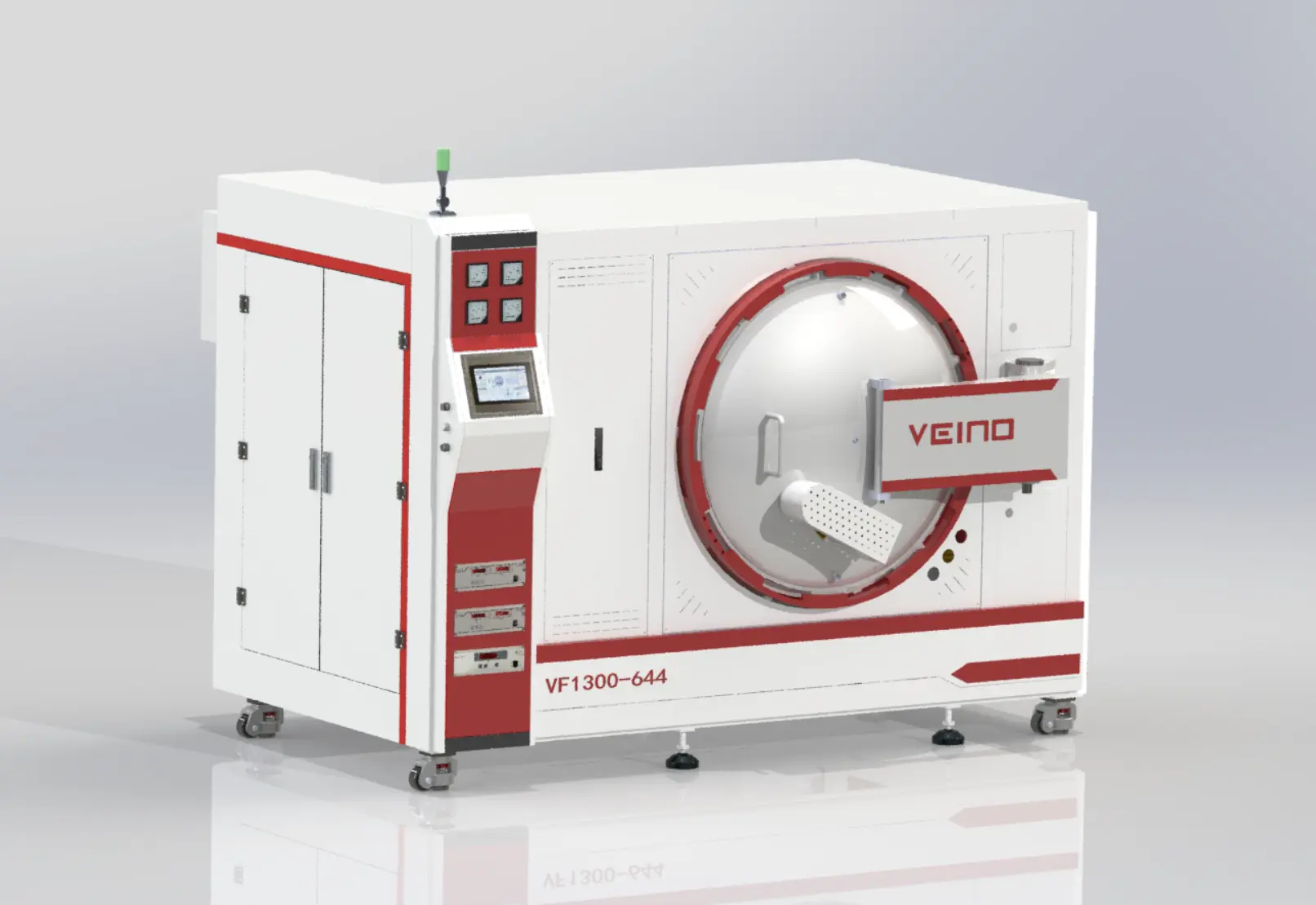
Normantherm Vacuum Brazing Furnace Solutions
At Normantherm, we manufacture advanced vacuum brazing furnaces for joining tungsten carbide with stainless steel and other dissimilar engineering materials.
Our vacuum furnace systems are designed to provide stable vacuum conditions, precise temperature control, and excellent heating uniformity. These features support reliable brazing of complex components while minimizing oxidation, distortion, and process variation.
Normantherm vacuum brazing technology can also be applied to combinations involving tool steel, high-speed steel, copper, titanium alloys, ceramics, diamond materials, and other advanced engineering materials.
Conclusion
Vacuum brazing of tungsten carbide and stainless steel provides an effective solution for manufacturing components that require extreme wear resistance combined with structural strength and corrosion resistance. By carefully controlling the vacuum environment, brazing temperature, filler-metal flow, and cooling process, manufacturers can achieve durable and consistent joints between these dissimilar materials.
For tooling, precision machinery, medical equipment, industrial components, and other demanding applications, Normantherm's vacuum brazing furnace technology provides the process control needed to produce high-quality tungsten carbide and stainless steel assemblies.
You may also like
Product News Product News
 Product News