
 Product News
Vacuum Brazing of Tungsten Carbide and Cr12MoV for High-Performance Tooling
Normantherm•7/31/2026
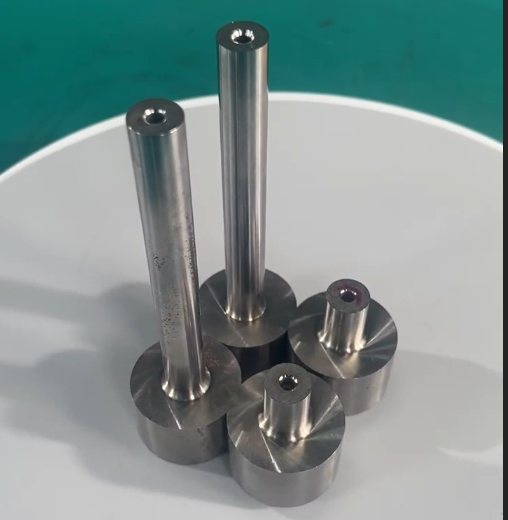
The manufacturing of high-performance cutting tools and wear-resistant components often requires combining materials with complementary properties. One of the most effective combinations is tungsten carbide and Cr12MoV tool steel, joined using vacuum brazing technology. This process creates durable assemblies that offer the exceptional hardness of tungsten carbide together with the strength and toughness of Cr12MoV, making them ideal for demanding industrial applications.
As tooling manufacturers seek longer service life and greater machining efficiency, vacuum brazing has become the preferred joining method for these dissimilar materials.
Why Combine Tungsten Carbide with Cr12MoV?
Tungsten Carbide is widely recognized for its extreme hardness, excellent wear resistance, and ability to maintain cutting performance under high temperatures. It is commonly used for cutting edges, wear inserts, and precision machining tools.
Cr12MoV is a cold-work tool steel valued for its high strength, good hardenability, excellent dimensional stability, and resistance to wear. It serves as a robust base material for dies, molds, punches, and precision tooling.
By vacuum brazing tungsten carbide onto a Cr12MoV substrate, manufacturers create tooling that combines superior cutting performance with outstanding structural support. This material combination improves tool life while reducing replacement frequency and production costs.
Why Vacuum Brazing Is the Preferred Joining Method
Joining tungsten carbide to tool steel is challenging because the two materials have different thermal expansion characteristics and metallurgical properties. Conventional welding methods often generate excessive heat, oxidation, and residual stress, increasing the risk of cracks or weakened joints.
Vacuum brazing eliminates these issues by performing the joining process in a high-vacuum, oxygen-free environment. Precise temperature control allows the brazing alloy to flow evenly between the materials, creating a strong metallurgical bond without melting the base metals.
The controlled heating and cooling process minimizes distortion and residual stress, producing consistent, high-quality joints suitable for demanding industrial applications.
Performance Advantages of Vacuum-Brazed Tungsten Carbide and Cr12MoV
Manufacturers choose vacuum brazing because it significantly improves both product quality and operational performance.
Key benefits include:
- Strong metallurgical bonding between carbide and tool steel
- Oxidation-free, clean brazed joints
- Excellent wear resistance and cutting performance
- Reduced thermal distortion and residual stress
- High production consistency and repeatability
These advantages contribute to longer tool life, greater machining accuracy, and improved productivity in industrial manufacturing.
Applications in Precision Tool Manufacturing
Vacuum-brazed tungsten carbide and Cr12MoV assemblies are widely used across industries where durability and precision are essential.
Typical applications include cutting tools, stamping dies, cold-forming dies, woodworking tools, metal machining inserts, wear-resistant tooling, precision punches, and industrial mold components. Their ability to withstand high mechanical loads and abrasive conditions makes them suitable for continuous production environments.
As industries adopt higher-performance materials and more demanding machining processes, the need for reliable carbide brazing technology continues to grow.
Normantherm Vacuum Brazing Furnace Solutions
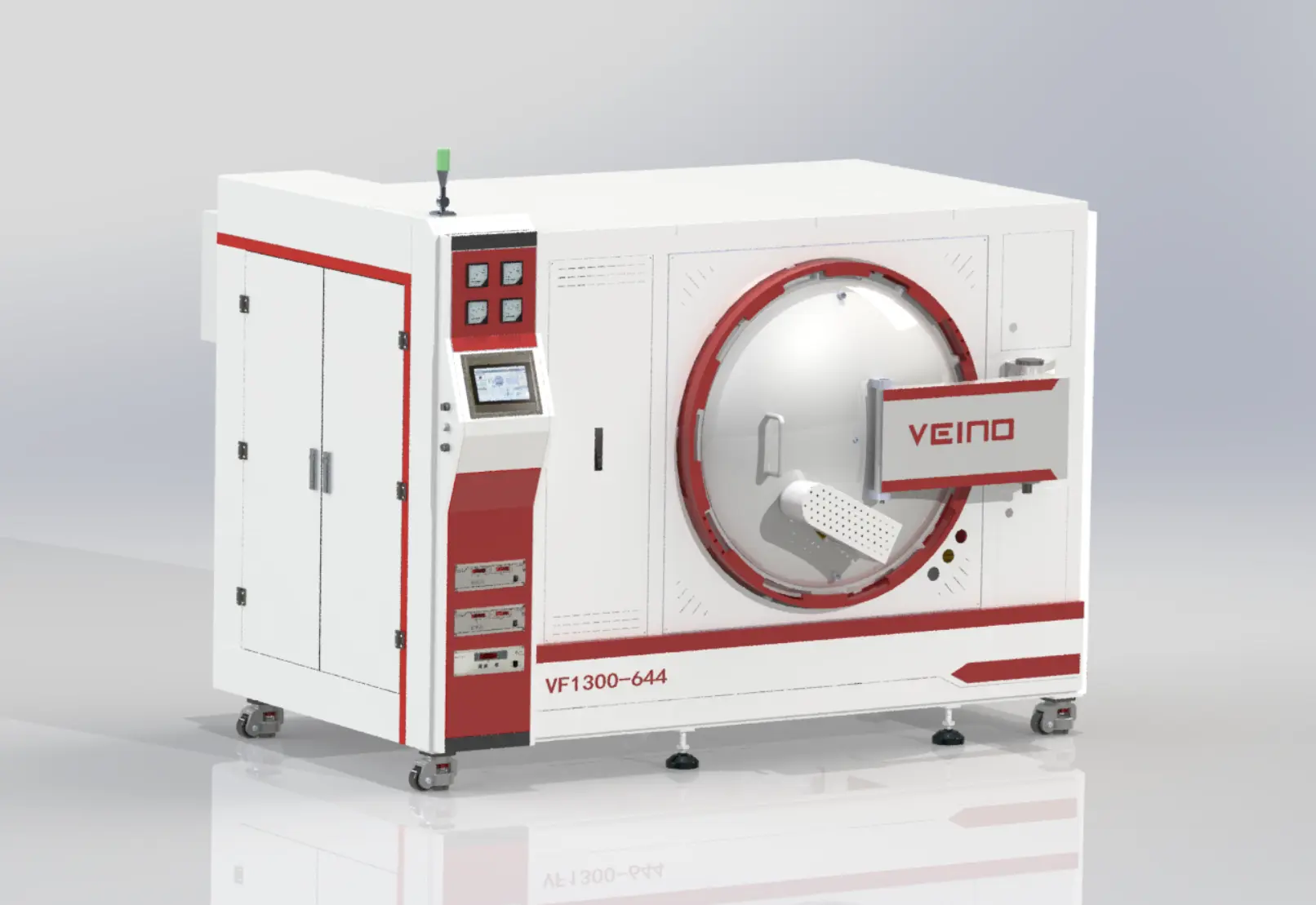
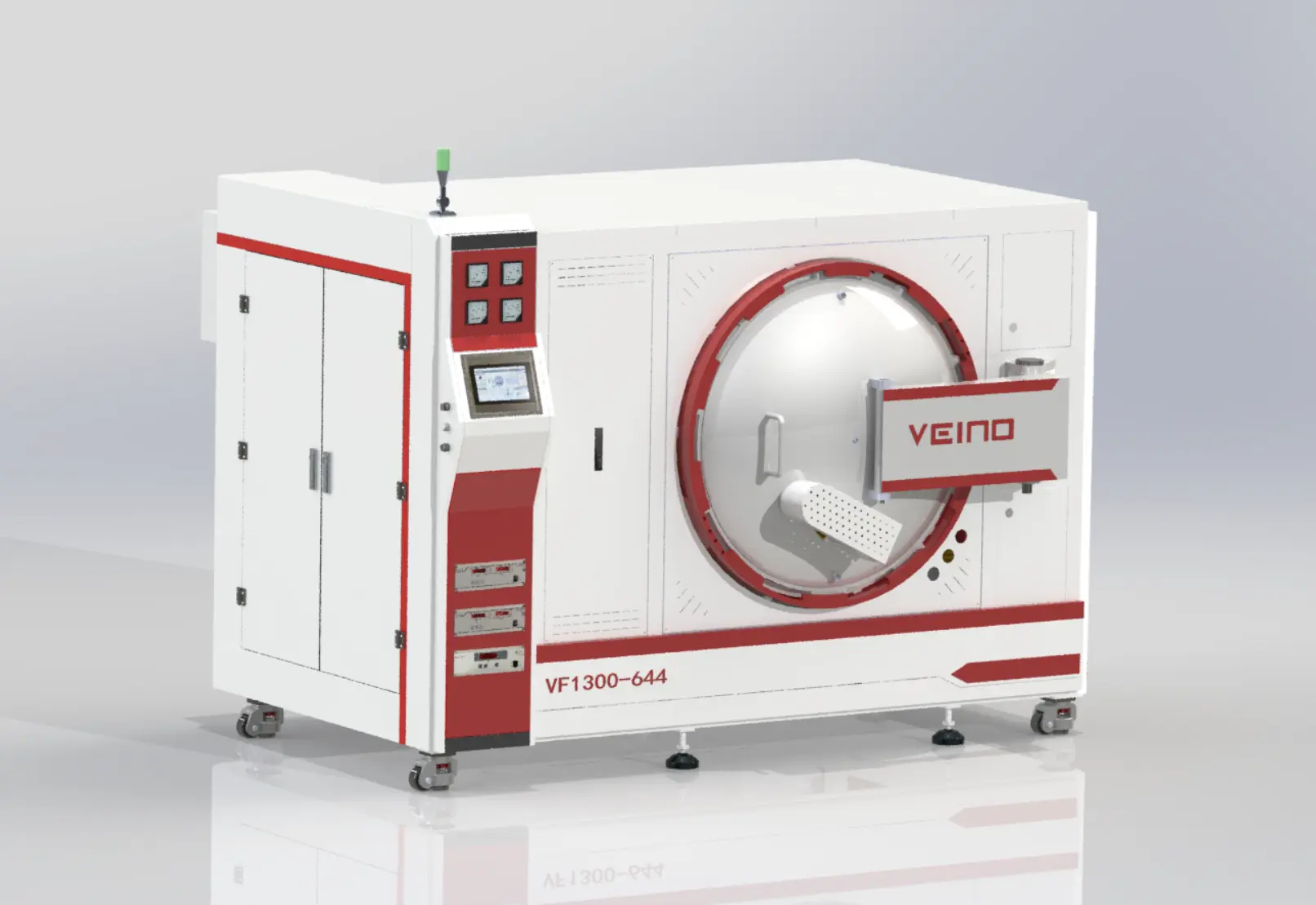
At Normantherm, we design advanced vacuum brazing furnaces for processing carbide, tool steels, stainless steel, titanium alloys, copper alloys, ceramics, and other engineering materials.
Our furnace systems provide stable high-vacuum conditions, accurate temperature control, and excellent heating uniformity, enabling manufacturers to achieve reliable brazing quality and repeatable production results. Whether for prototype development or high-volume manufacturing, Normantherm delivers vacuum furnace solutions that improve efficiency, reduce defects, and support long-term product reliability.
Conclusion
Vacuum brazing of tungsten carbide and Cr12MoV is an advanced manufacturing process that produces high-performance tooling with exceptional hardness, wear resistance, and structural strength. By combining these materials in a controlled vacuum environment, manufacturers can achieve durable, oxidation-free joints that perform reliably under demanding industrial conditions.
With innovative vacuum furnace technology and extensive expertise in precision thermal processing, Normantherm continues to provide advanced vacuum brazing solutions for tooling, mold manufacturing, and precision engineering industries worldwide.
You may also like
Product News Product News
 Product News