
 Product News
Vacuum Brazing of Copper Water-Cooled Plates for Advanced Thermal Management
Normantherm•8/24/2026
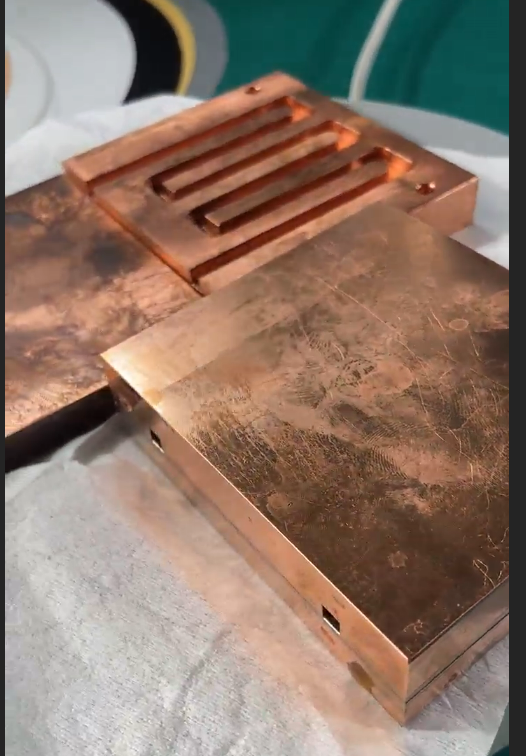
Efficient thermal management is critical for modern high-power electronic and industrial equipment. As power density increases, conventional air-cooling methods may no longer provide sufficient heat dissipation. Copper water-cooled plates offer an effective liquid cooling solution by transferring heat away from high-temperature components through internal water channels.
For manufacturing these complex cooling structures, vacuum brazing of copper water-cooled plates provides a reliable joining technology that can create strong, clean, and leak-resistant joints while maintaining excellent thermal performance.
What Are Copper Water-Cooled Plates?
A copper water-cooled plate is a thermal management component designed with internal channels through which cooling water or another liquid coolant can circulate.
Copper is particularly suitable for this application because of its excellent thermal conductivity. Heat generated by electronic or industrial components can quickly transfer through the copper plate and into the circulating coolant.
The internal channel design can be customized according to the required cooling capacity, flow rate, pressure, component dimensions, and heat load. This makes copper water-cooled plates suitable for a wide range of high-performance cooling systems.
Why Vacuum Brazing Is Used for Copper Cooling Plates
Manufacturing a water-cooled plate requires reliable bonding between copper plates and internal channel structures. The joints must withstand continuous coolant pressure while maintaining efficient heat transfer.
Conventional welding can create localized heat-affected areas and distortion, while oxidation can affect copper surfaces during high-temperature processing. Vacuum brazing provides a more controlled alternative.
During vacuum brazing, the copper assembly is heated inside a controlled low-oxygen environment. The brazing filler metal melts at the specified temperature and flows into the prepared joint interfaces, creating a continuous bond around the cooling channels.
This process allows multiple joints to be brazed simultaneously and helps maintain the dimensional accuracy of the finished cooling plate.
Key Benefits of Vacuum-Brazed Copper Water-Cooled Plates
Vacuum brazing offers several important advantages for copper liquid cooling components:
- Strong and reliable joints around internal cooling channels
- Excellent heat transfer through high-conductivity copper
- Reduced oxidation and surface contamination
- Good dimensional stability with controlled heating
- Reliable sealing for liquid cooling applications
- Consistent quality across production batches
The combination of copper's thermal conductivity and precision vacuum brazing makes these cooling plates suitable for applications where thermal performance and reliability are critical.
Applications of Copper Water-Cooled Plates
Vacuum-brazed copper water-cooled plates are increasingly used in high-power and high-heat applications.
Typical applications include semiconductor manufacturing equipment, power electronic modules, laser systems, industrial power supplies, EV and battery systems, high-frequency equipment, energy systems, and advanced industrial machinery.
In semiconductor and power electronics applications, efficient cooling helps control operating temperatures and supports stable equipment performance. In laser systems, water-cooled copper structures can remove substantial amounts of heat generated during continuous operation.
Vacuum Brazing Process Considerations
The quality of a copper water-cooled plate depends on several factors, including surface preparation, joint design, filler-metal selection, brazing temperature, vacuum level, heating uniformity, and controlled cooling.
Copper also has high thermal conductivity, meaning that heat can rapidly move through the component during processing. A properly engineered furnace must therefore provide sufficient heating capacity and accurate temperature control to achieve consistent brazing conditions throughout the assembly.
Uniform temperature distribution is particularly important for larger cooling plates containing multiple internal channels. Proper process control helps ensure complete filler-metal flow and reliable bonding across the entire component.
Normantherm Vacuum Brazing Furnace Solutions
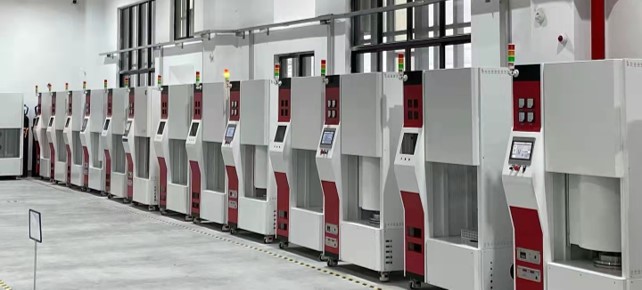
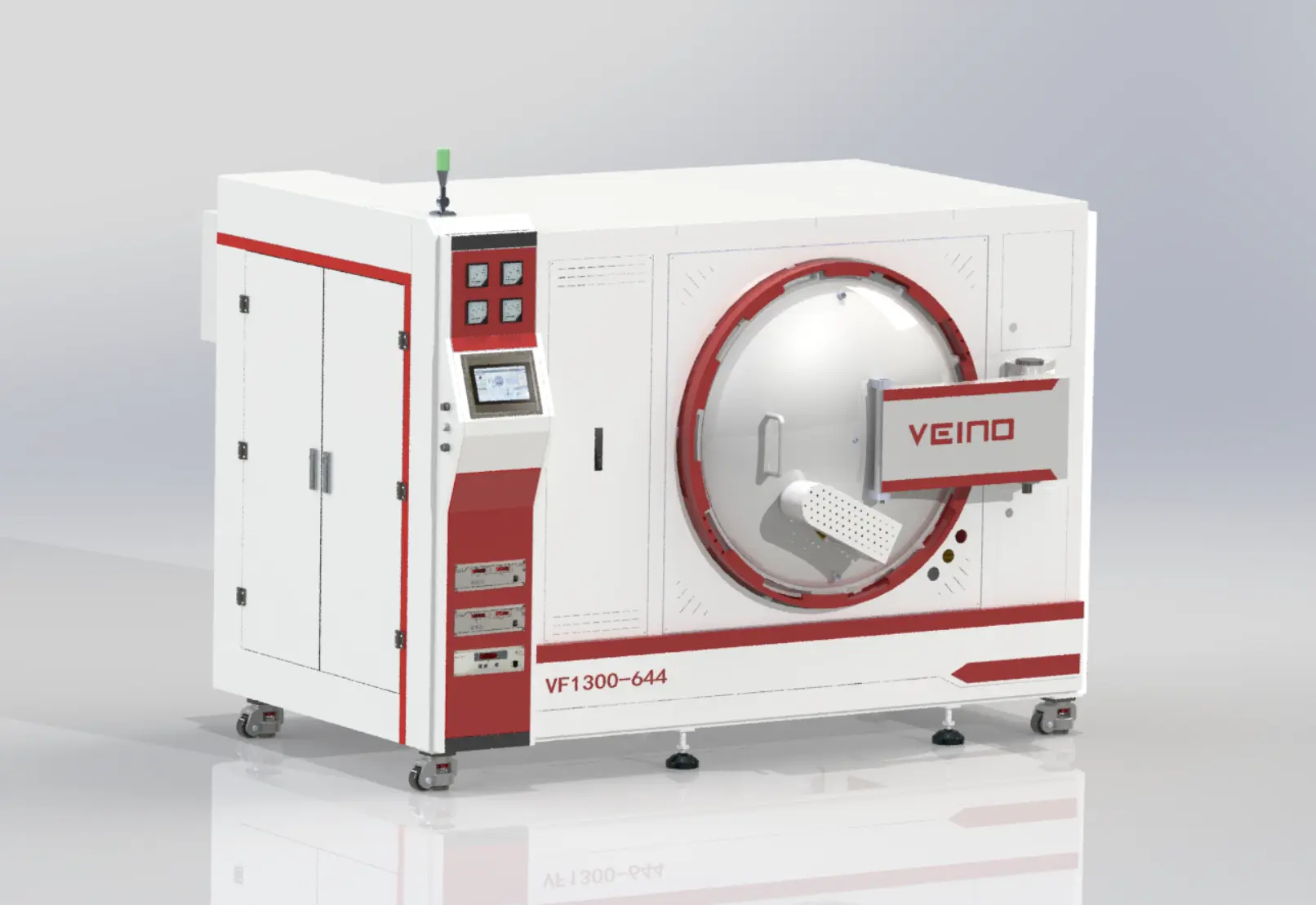
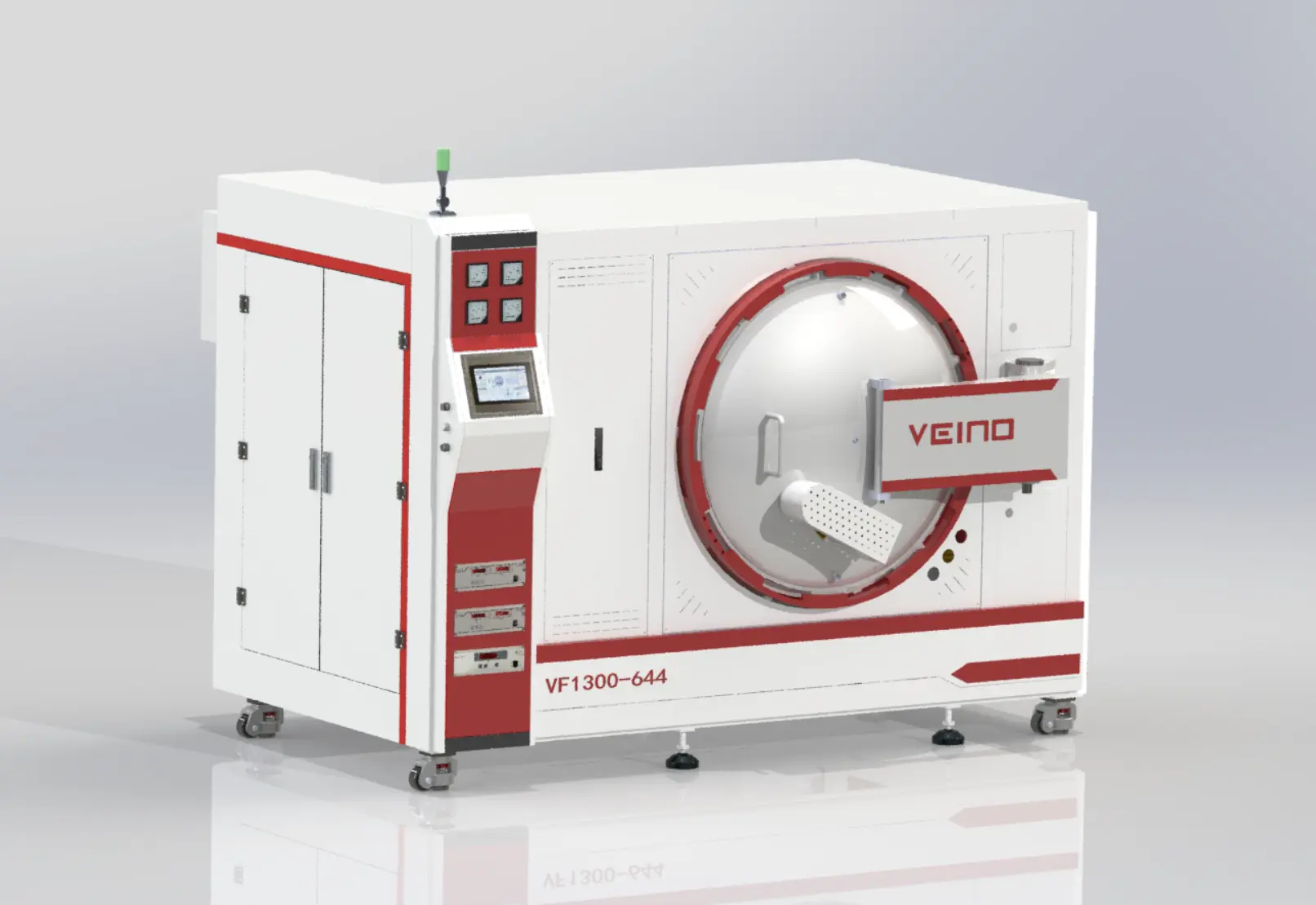
At Normantherm, we manufacture advanced vacuum brazing furnaces designed for copper water-cooled plates, heat exchangers, thermal management components, and other complex copper assemblies.
Our vacuum furnace systems provide high-vacuum processing, precise temperature control, and uniform heating to support consistent brazing results. These capabilities allow manufacturers to process complex cooling plates while minimizing oxidation, distortion, and batch-to-batch variation.
Normantherm also provides vacuum brazing solutions for aluminum cooling plates, stainless steel heat exchangers, copper components, CVD diamond assemblies, ceramic-to-metal products, and other advanced thermal management structures.
Conclusion
Vacuum brazing of copper water-cooled plates is an advanced manufacturing process for producing reliable liquid cooling components with strong joints and excellent thermal performance. Copper provides highly efficient heat transfer, while vacuum brazing enables controlled bonding of the plate and internal cooling-channel structure.
As demand for high-power electronics, semiconductor equipment, EV systems, and laser technology continues to increase, reliable liquid cooling solutions are becoming increasingly important. Normantherm's vacuum brazing furnace technology helps manufacturers produce high-quality copper water-cooled plates designed for demanding thermal management applications.
You may also like
Product News Product News
 Product News