
 Product News
Vacuum Brazed Titanium Alloy and Tungsten Steel for Industrial Applications
Normantherm•7/28/2026
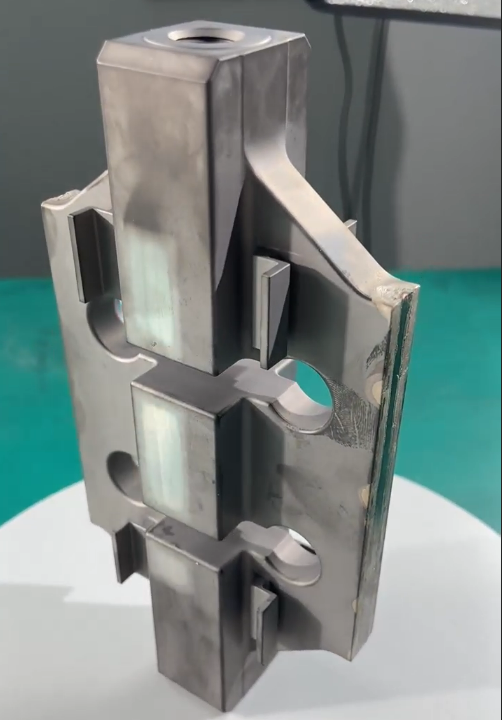
In today's advanced manufacturing industry, combining dissimilar materials has become essential for producing components that offer both exceptional strength and outstanding performance. One of the most effective material combinations is titanium alloy and tungsten steel, joined through vacuum brazing. This process allows manufacturers to leverage the lightweight properties of titanium alongside the superior hardness and wear resistance of tungsten steel.
Vacuum brazed finished products made from these materials are widely used in aerospace, medical devices, precision tooling, energy equipment, and other industries where durability and precision are critical.
Why Combine Titanium Alloy and Tungsten Steel?
Titanium alloys are renowned for their excellent strength-to-weight ratio, corrosion resistance, and high-temperature performance. They are commonly used in industries where lightweight components are essential without compromising structural integrity.
Tungsten Steel, on the other hand, offers exceptional hardness, wear resistance, and compressive strength. It is widely used in cutting tools, dies, molds, and wear-resistant components.
By vacuum brazing these two materials together, manufacturers can produce assemblies that combine:
- Lightweight structural performance
- Exceptional wear resistance
- High mechanical strength
- Excellent corrosion resistance
- Extended service life in demanding environments
This combination enables components to perform efficiently under high loads, elevated temperatures, and abrasive operating conditions.
Challenges of Joining Titanium Alloy and Tungsten Steel
Titanium alloy and tungsten steel possess significantly different thermal expansion coefficients, melting characteristics, and metallurgical properties. Conventional welding methods often create excessive thermal stress, oxidation, or weak joints that reduce product reliability.
Vacuum brazing addresses these challenges by providing a precisely controlled thermal environment where the filler metal flows evenly between the joining surfaces without melting the base materials. The oxygen-free atmosphere prevents oxidation while minimizing residual stress and distortion.
As a result, manufacturers achieve consistent, high-strength joints that maintain the integrity of both materials.
Advantages of Vacuum Brazing for Titanium Alloy and Tungsten Steel
Vacuum brazing has become the preferred joining process for these advanced materials because it delivers reliable and repeatable results.
The process offers several important advantages:
- Oxidation-free brazing that preserves surface quality
- Strong metallurgical bonding between dissimilar materials
- Precise temperature control for consistent processing
- Reduced thermal distortion and residual stress
- Excellent dimensional accuracy for precision components
These benefits make vacuum brazing particularly valuable for industries where component reliability directly affects product performance and safety.
Applications of Vacuum Brazed Titanium Alloy and Tungsten Steel Products
Vacuum brazed assemblies combining titanium alloy and tungsten steel are widely used across high-tech industries.
Typical applications include:
- Aerospace structural and engine components
- Precision cutting and machining tools
- Medical and surgical instruments
- Wear-resistant industrial tooling
- Semiconductor manufacturing equipment
- Oil and gas drilling components
- High-performance mechanical assemblies
As manufacturers continue to develop lighter and more durable products, demand for vacuum-brazed dissimilar material assemblies continues to increase.
Normantherm Vacuum Brazing Solutions
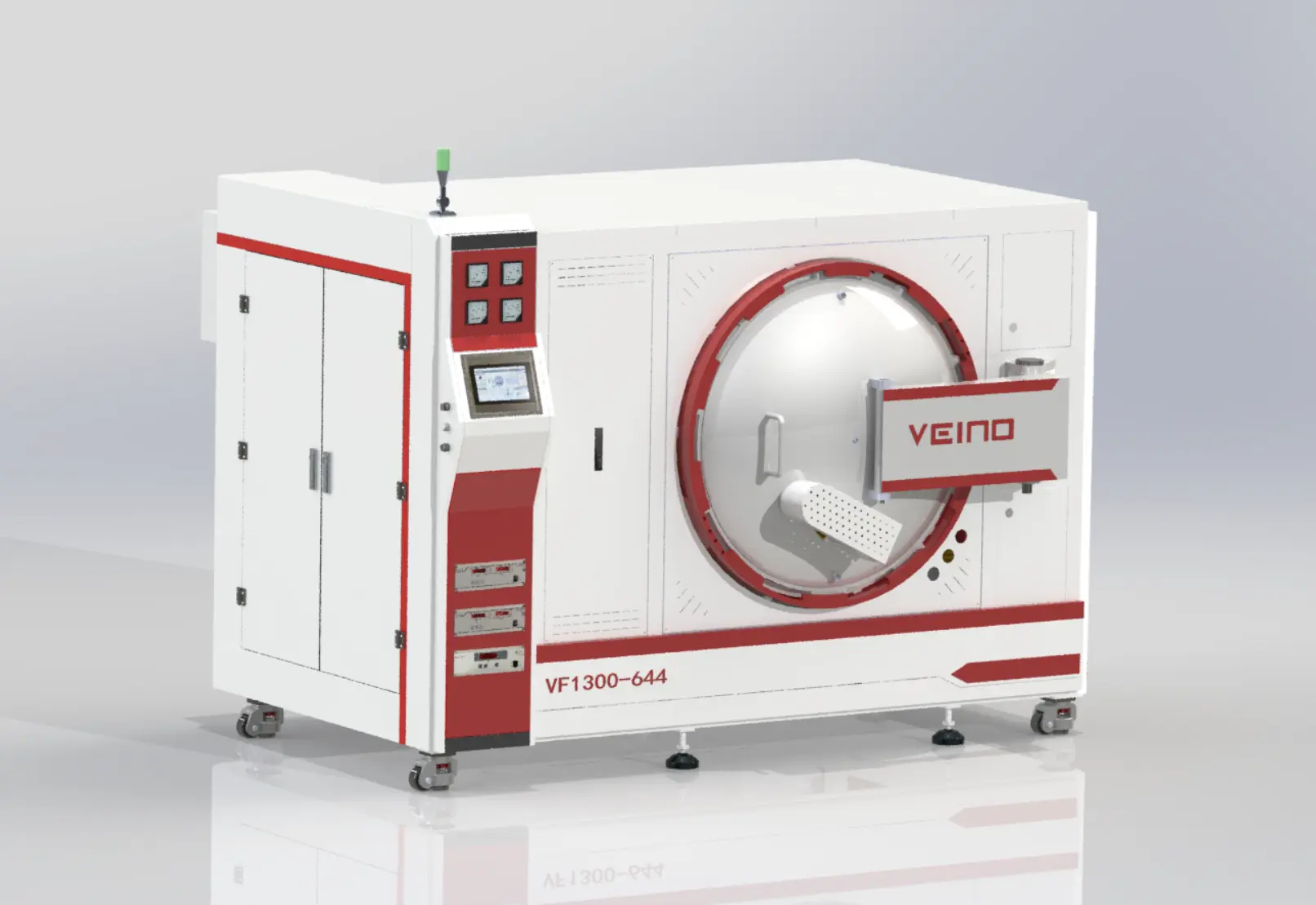
At Normantherm, we specialize in advanced vacuum brazing furnace technology for joining complex and dissimilar materials. Our vacuum furnace systems are designed to provide stable vacuum conditions, precise temperature control, and uniform heating to ensure reliable brazing quality.
Whether processing titanium alloys, tungsten steel, stainless steel, copper alloys, or advanced ceramics, Normantherm furnaces deliver consistent thermal performance for both prototype development and high-volume production.
Our expertise in vacuum brazing enables manufacturers to improve production efficiency while achieving superior joint quality and long-term product reliability.
Conclusion
Vacuum brazed finished products made from titanium alloy and tungsten steel combine lightweight performance with exceptional hardness and wear resistance, making them ideal for demanding industrial applications. Through precise thermal control and oxidation-free processing, vacuum brazing creates durable, high-strength joints that conventional joining methods cannot easily achieve.
With advanced vacuum furnace technology and extensive application expertise, Normantherm continues to help manufacturers produce reliable, high-performance components for aerospace, tooling, medical, semiconductor, and precision engineering industries.
You may also like
Product News Product News
 Product News