
 Product News
Stainless Steel Honeycomb Vacuum Brazing for Heat Dissipation
Normantherm•8/16/2026
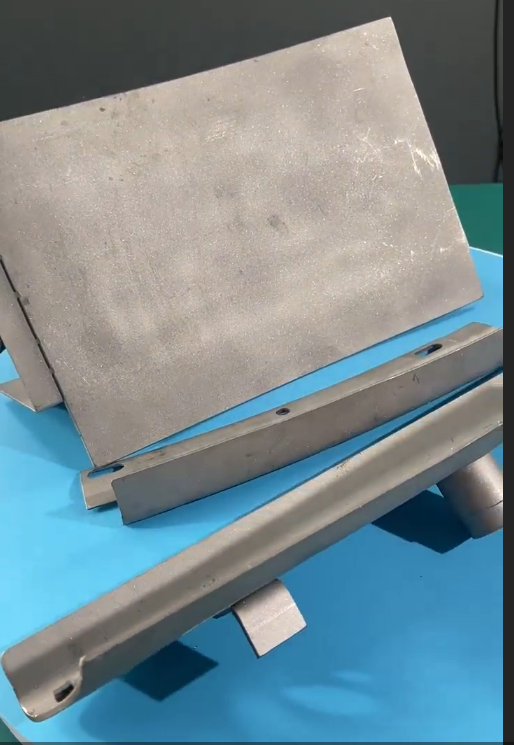
Effective heat dissipation is essential for maintaining the performance, reliability, and service life of modern industrial equipment. As equipment becomes more compact and operating temperatures increase, manufacturers require thermal management components that can provide efficient heat transfer while maintaining mechanical strength and dimensional stability.
Stainless steel honeycomb vacuum brazing offers an advanced manufacturing solution for producing heat dissipation structures with complex internal geometries. By joining stainless steel plates with a stainless steel honeycomb core through vacuum brazing, manufacturers can create lightweight, strong, and thermally efficient assemblies for demanding industrial applications.
What Is a Stainless Steel Honeycomb Heat Dissipation Structure?
A stainless steel honeycomb structure consists of thin-walled cellular passages positioned between stainless steel plates. The honeycomb geometry provides a large effective surface area while maintaining a relatively lightweight construction.
Depending on the application and design, the internal structure can support heat transfer through airflow, fluid circulation, or direct thermal conduction. This makes honeycomb assemblies useful for specialized heat exchangers, cooling structures, thermal management systems, and high-temperature equipment.
Stainless steel is particularly suitable for these applications because of its corrosion resistance, mechanical strength, and ability to withstand demanding thermal environments.
Why Use Vacuum Brazing for Stainless Steel Honeycomb?
Joining stainless steel plates to a honeycomb structure involves creating multiple bonding interfaces across the entire assembly. Conventional welding can introduce localized heat, distortion, oxidation, and inconsistent joints, particularly when the structure contains numerous closely spaced connection points.
Vacuum brazing provides a more controlled joining process. The complete assembly is heated uniformly inside a high-vacuum furnace, allowing the brazing filler metal to melt and flow into the designed joint areas.
Because brazing takes place in a low-oxygen environment, oxidation and contamination are significantly reduced. This produces clean joints and helps maintain the surface quality of the stainless steel components.
Benefits of Stainless Steel Honeycomb Vacuum Brazing
Vacuum-brazed honeycomb assemblies offer several advantages for advanced thermal management applications.
- Efficient Heat Dissipation
The honeycomb geometry creates a large surface area within a compact structure, allowing heat to be transferred efficiently through the designed thermal pathways.
- Strong and Uniform Bonding
Vacuum brazing allows multiple joints to be formed during a single controlled heating cycle. Proper filler-metal flow can create reliable connections throughout the honeycomb structure.
- Reduced Oxidation and Distortion
The controlled vacuum atmosphere minimizes oxidation, while uniform heating and controlled cooling help reduce thermal distortion and residual stress.
Applications of Stainless Steel Honeycomb Brazed Products
Stainless steel honeycomb vacuum-brazed assemblies can be used in a variety of industrial thermal management applications.
These include specialized heat exchangers, industrial cooling systems, aerospace thermal management components, energy equipment, high-temperature systems, heat recovery equipment, and advanced industrial machinery.
The design of the honeycomb structure can be customized according to factors such as heat load, fluid flow requirements, pressure conditions, operating temperature, and available installation space.
Importance of Vacuum Furnace Temperature Uniformity
The quality of a honeycomb brazed assembly depends heavily on furnace performance. Since the component contains multiple joints distributed across a relatively large surface area, temperature differences within the furnace can affect filler-metal flow and joint formation.
A high-performance vacuum brazing furnace provides controlled heating, accurate temperature measurement, and excellent temperature uniformity throughout the working zone. This helps ensure that the brazing filler reaches the required processing temperature consistently across the entire component.
Controlled cooling is equally important because it helps minimize thermal stress and distortion in the stainless steel plates and honeycomb structure.
Normantherm Vacuum Brazing Technology
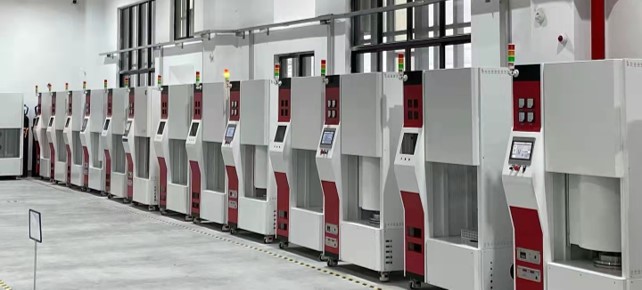
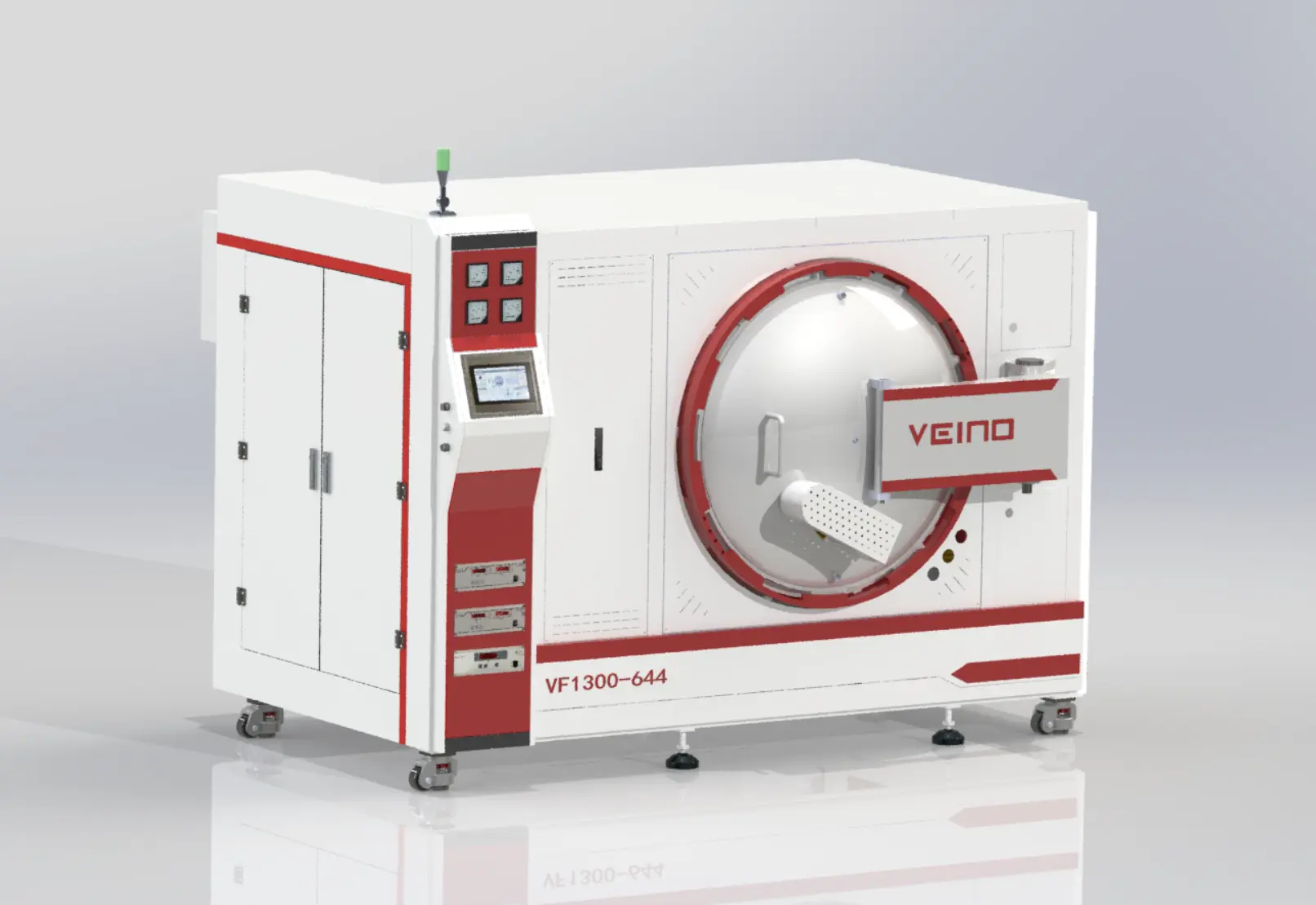
Normantherm provides advanced vacuum brazing furnace solutions for stainless steel heat exchangers, honeycomb structures, cooling plates, and other complex thermal management components.
Our vacuum furnaces are designed to provide high-vacuum processing, precise temperature control, uniform heating, and repeatable thermal cycles. These capabilities allow manufacturers to process complex stainless steel assemblies while maintaining consistent brazing quality.
Normantherm also provides vacuum furnace solutions for copper, aluminum alloys, titanium alloys, tungsten carbide, ceramics, tool steels, and other advanced engineering materials.
Conclusion
Stainless steel honeycomb vacuum brazing is an effective technology for manufacturing advanced heat dissipation and thermal management components. The combination of stainless steel's mechanical and corrosion-resistant properties with the high surface area of a honeycomb structure provides an efficient solution for demanding industrial applications.
By using a controlled vacuum atmosphere, precise temperature control, and uniform heating, manufacturers can achieve reliable brazed joints while minimizing oxidation and distortion.
Normantherm's advanced vacuum brazing furnace technology helps manufacturers produce high-quality stainless steel honeycomb assemblies for heat exchangers, cooling systems, aerospace equipment, energy systems, and other precision thermal management applications.
You may also like
Product News Product News
 Product News