
 Product News
Stainless Steel and Tungsten Carbide Welded Finished Products
Normantherm•8/2/2026
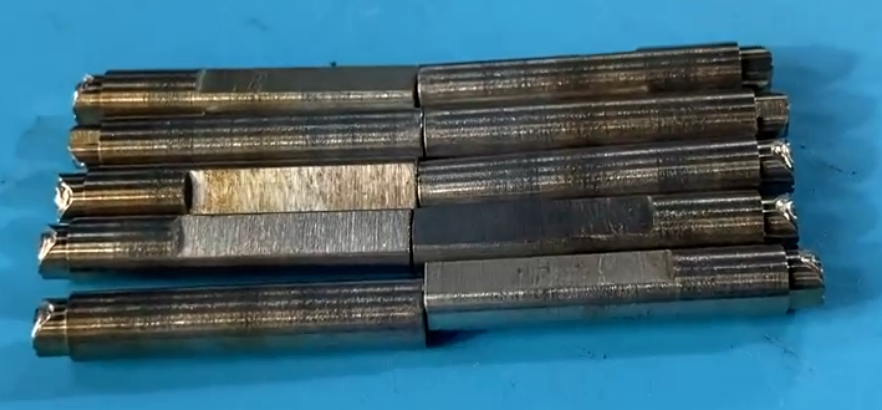
Manufacturers across the tooling, aerospace, medical, and industrial machinery sectors are increasingly combining stainless steel and tungsten carbide to produce components that deliver exceptional durability, corrosion resistance, and wear performance. Since these materials possess significantly different physical properties, conventional welding methods often struggle to produce strong and reliable joints.
Vacuum brazing has become the preferred joining technology for stainless steel and tungsten carbide because it creates clean, oxidation-free metallurgical bonds with excellent mechanical strength. The result is a high-quality finished product capable of performing in demanding operating environments while maintaining dimensional accuracy and long service life.
Why Combine Stainless Steel and Tungsten Carbide?
Stainless Steel is valued for its excellent corrosion resistance, toughness, and structural strength. It is widely used as the base material for components that require durability in harsh environments.
Tungsten Carbide is one of the hardest engineering materials available. It offers exceptional wear resistance, high compressive strength, and excellent cutting performance, making it ideal for wear surfaces and precision tooling.
By combining these two materials through vacuum brazing, manufacturers create components that benefit from the structural support of stainless steel and the outstanding wear resistance of tungsten carbide. This combination extends product life while reducing maintenance and replacement costs.
Why Vacuum Brazing Is the Best Joining Method
Joining stainless steel and tungsten carbide presents several technical challenges because each material expands differently when heated. Traditional welding processes can introduce oxidation, excessive thermal stress, and distortion, which may weaken the joint or damage the carbide.
Vacuum brazing eliminates these issues by processing components inside a high-vacuum furnace where oxygen is removed before heating begins. This controlled environment prevents oxidation and allows the brazing filler metal to flow uniformly between the joining surfaces.
Accurate temperature control ensures consistent metallurgical bonding while minimizing residual stress. The result is a clean, high-strength joint capable of withstanding heavy mechanical loads and repeated operating cycles.
Advantages of Stainless Steel and Tungsten Carbide Vacuum Brazing
Vacuum-brazed finished products provide significant advantages for manufacturers seeking high-performance components.
The most important benefits include:
- Strong and reliable carbide-to-steel joints
- Excellent wear resistance and corrosion protection
- Clean, oxidation-free brazed surfaces
- High dimensional accuracy and production consistency
- Longer service life with reduced maintenance requirements
These characteristics make vacuum brazing the preferred solution for manufacturing precision industrial components.
Applications of Stainless Steel and Tungsten Carbide Welded Products
Vacuum-brazed stainless steel and tungsten carbide assemblies are used across a wide range of industries where durability and precision are essential.
Common applications include cutting tools, industrial knives, wear-resistant machine parts, mold and die components, mining tools, oil and gas equipment, woodworking tools, food processing machinery, medical instruments, and precision engineering assemblies.
As manufacturers continue to seek lightweight yet durable solutions, the demand for vacuum-brazed carbide components continues to grow worldwide.
Normantherm Vacuum Brazing Solutions
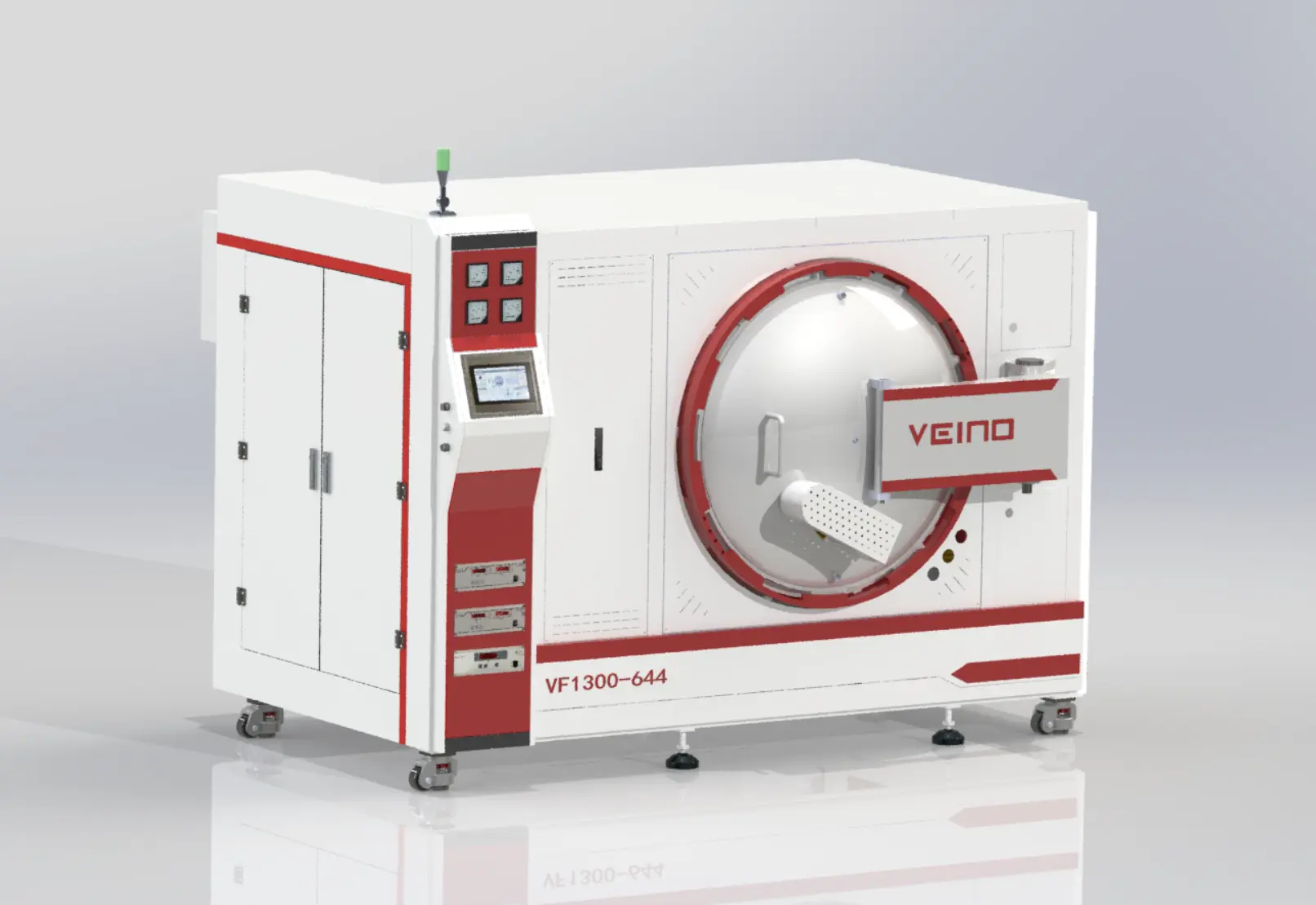
At Normantherm, we specialize in advanced vacuum brazing furnace technology for joining stainless steel, tungsten carbide, titanium alloys, copper alloys, ceramics, and other high-performance engineering materials.
Our vacuum furnaces deliver stable high-vacuum conditions, precise temperature control, and uniform heating throughout the brazing cycle. These capabilities enable manufacturers to produce high-quality stainless steel and tungsten carbide assemblies with excellent repeatability, strong joint integrity, and reliable long-term performance.
Whether supporting prototype development or large-scale industrial production, Normantherm provides customized vacuum brazing solutions that help customers improve product quality and manufacturing efficiency.
Conclusion
Stainless steel and tungsten carbide welded finished products combine the corrosion resistance of stainless steel with the extreme hardness and wear resistance of tungsten carbide, creating components designed for demanding industrial environments. Through advanced vacuum brazing technology, manufacturers can achieve strong, oxidation-free joints with outstanding durability and precision.
With innovative vacuum furnace technology and years of expertise in thermal processing, Normantherm continues to deliver reliable vacuum brazing solutions that support tooling, industrial machinery, aerospace, medical, and precision manufacturing industries.
You may also like
Product News Product News
 Product News